Design
Skip to content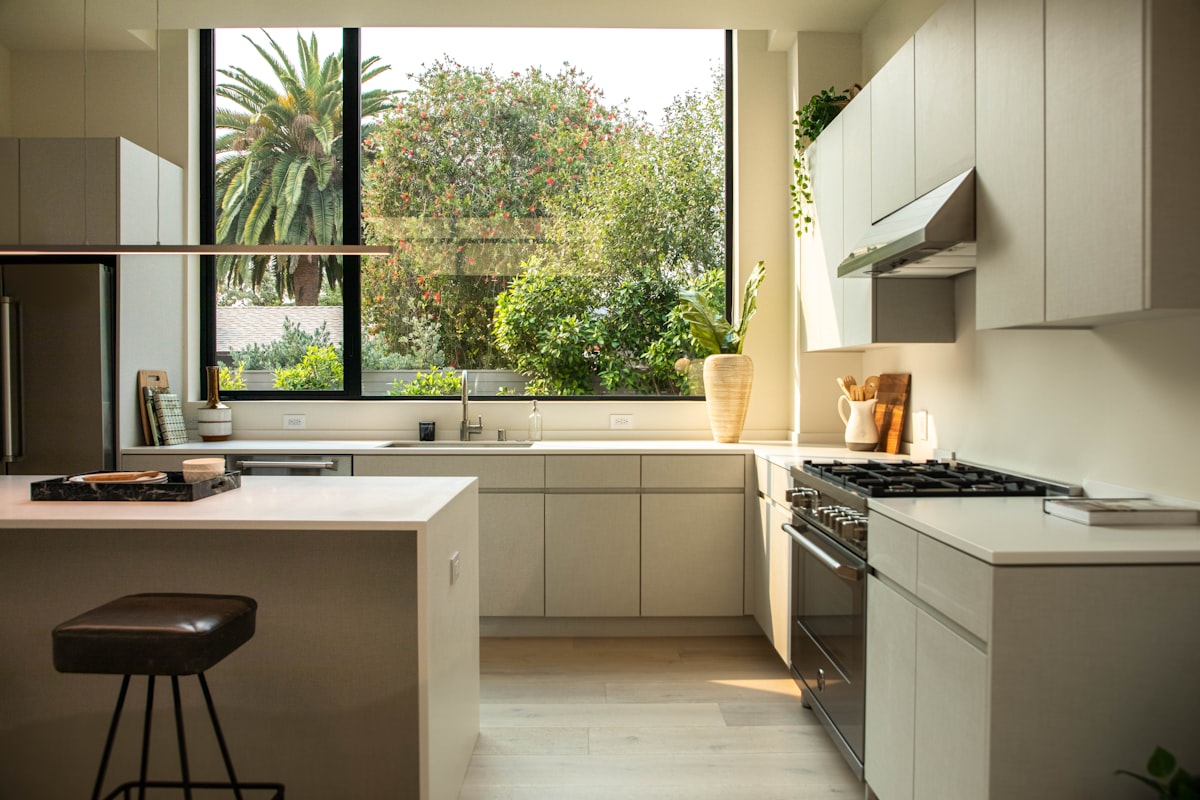 Book a Consultation
Light is the most overlooked material in kitchen design. Get it right, and the room feels alive at any hour. Get it wrong, and no amount of beautiful cabinetry will save it.
We have spent twenty-five years designing kitchens, and if there is one lesson that has held true across every project, it is this: light matters more than layout. You can specify the finest cabinetry, the most beautiful worktops, the most carefully considered appliances — but if the light is wrong, the room will never feel right.
Natural light in a kitchen is not a luxury. It is the thing that makes a morning feel like a morning and an evening feel like an evening. It is what tells your body when to wake and when to slow down. A kitchen that is lit only by overhead bulbs from dawn to dusk is a kitchen that denies its occupants one of the most basic pleasures of being at home.
When we begin a design, the first thing we look at is not the cabinets or the appliances. It is the windows. Where does the light enter? At what time of day? How does it move across the room as the hours pass? A south-facing kitchen will have warm, direct light through the middle of the day. An east-facing kitchen will be brightest in the morning and softer by afternoon. Neither is better — but they call for different approaches.
In a room with strong southern light, we often work to soften and diffuse it. Direct sun on a dark worktop can create glare and heat, making the space uncomfortable during summer. Frosted glazing, sheer linings, or the strategic placement of a glazed roof light can break up the light and distribute it more evenly. The goal is not to block the sun but to welcome it and let it settle into the room.
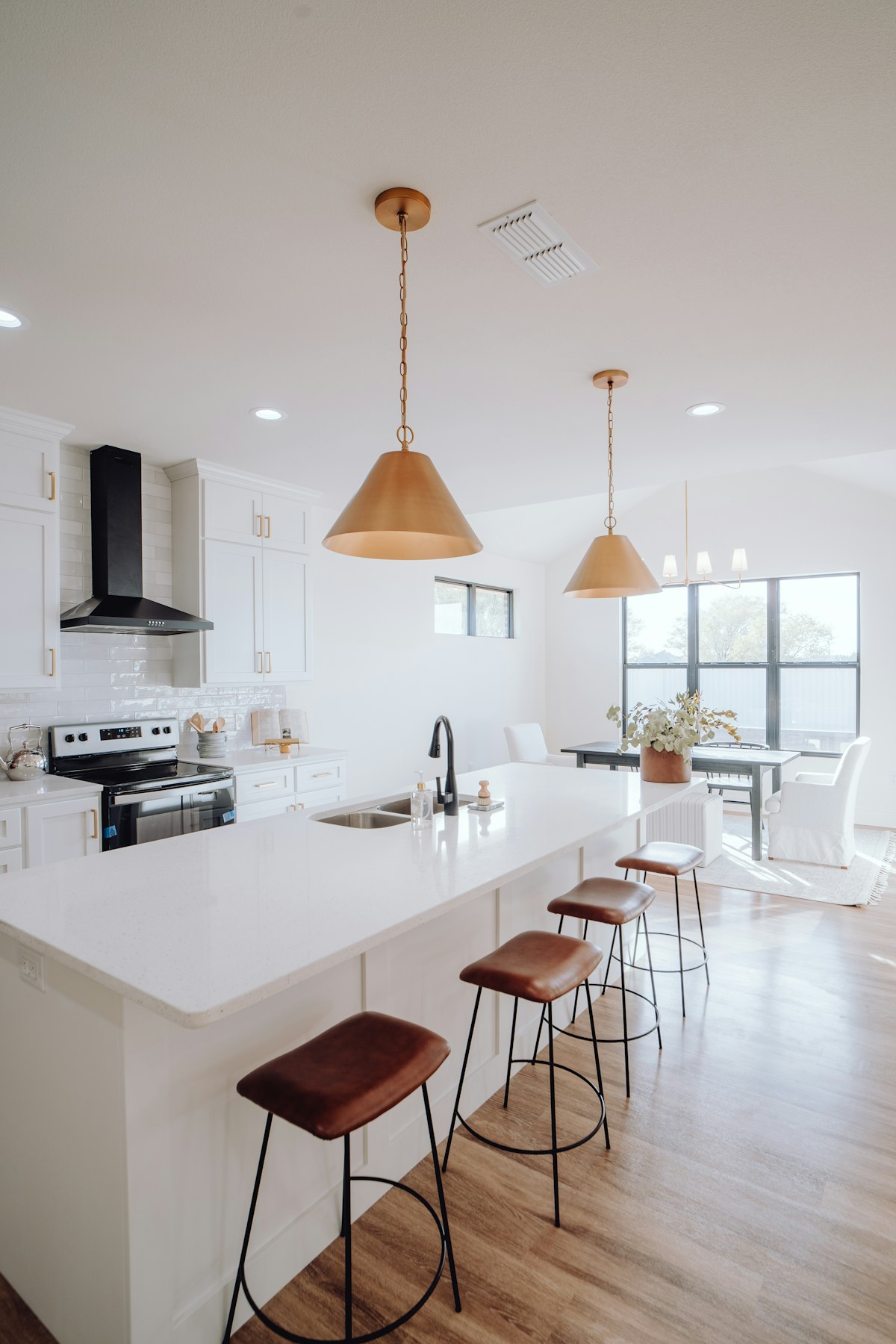
In an east-facing kitchen, the challenge is different. The light is glorious at breakfast and gone by late afternoon. Here we think about how the room will be used in the evening, and we design the artificial lighting to feel natural rather than clinical. Warm-toned LEDs hidden under cabinets, low pendants over an island, and dimmable ceiling lights give you a room that transitions gracefully from morning brightness to evening intimacy.
One of the most effective things you can do, if your home allows it, is to increase the connection between the kitchen and the garden. A set of bi-fold doors, a side return extension, or even a well-placed roof light can flood a previously dark kitchen with light and create a sense that the room extends beyond its walls. We have transformed kitchens that felt like cupboards into rooms that feel like the heart of the home, simply by changing how light enters the space.
If you are planning a kitchen and you are not sure where to start, start with the light. Spend a day at home and notice where the sun falls at different hours. Take photographs. Think about when you use the kitchen most and what the light is doing at that moment. Bring those observations to your first consultation, and you will already be ahead of most people who begin with a Pinterest board and a list of appliances.
Light is free. It changes everything. And it should be the first material you specify, long before you choose a worktop or a tap.