Materials
Skip to content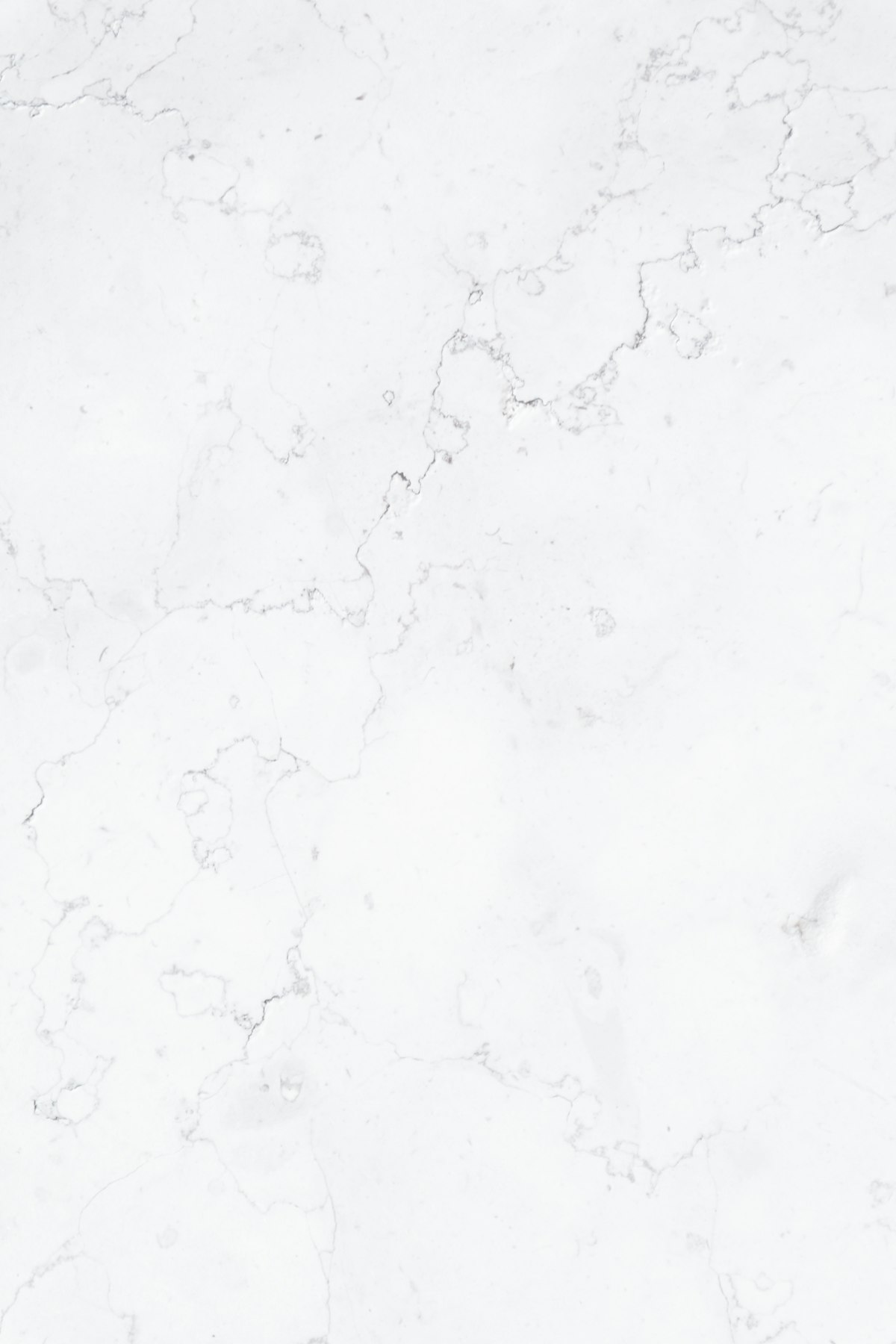 Book a Consultation
Your worktop is the surface you will touch more than any other in your home. Here is how to choose a material that will still feel right in ten years.
If there is one decision in a kitchen that deserves more thought than it usually gets, it is the worktop. The worktop is the surface you will lean on while the kettle boils, the place where you will chop, spill, wipe, and rest your hands thousands of times over the life of the kitchen. It is the most tactile element in the room, and it is the one that ages most visibly.
There are three families of worktop material that we recommend most often, and each ages in a different way. Understanding how they change over time is the key to choosing the right one for your home.
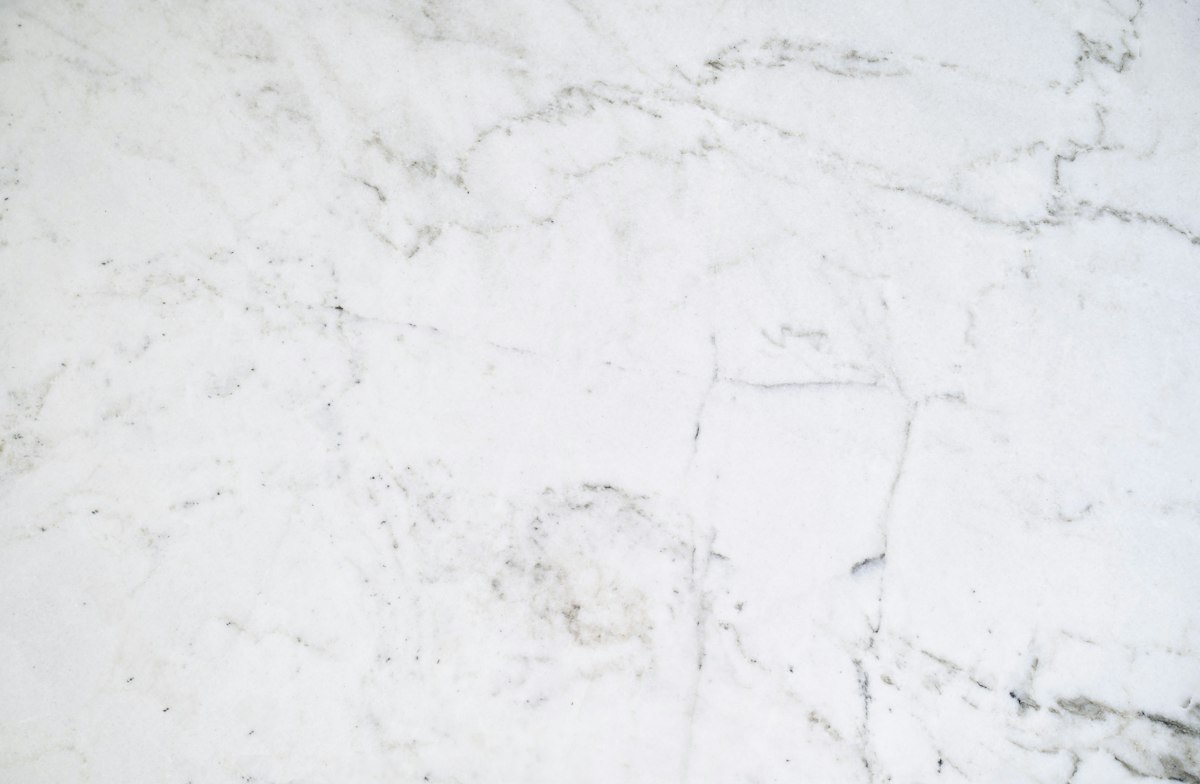
Stone — granite, quartz, and marble — is the material most people associate with a premium kitchen. Granite is nearly indestructible. It resists heat, scratches, and stains, and it will look essentially the same in twenty years as it does the day it is fitted. Quartz offers similar durability with a more consistent appearance, which suits those who want uniformity. Marble is the most beautiful and the most demanding — it etches with acid and marks with use, developing a living surface that some people adore and others find frustrating. If you want a worktop that never changes, choose granite or quartz. If you want a worktop that tells the story of its use, and you are willing to care for it, marble is extraordinary.
Wood — solid oak, walnut, or beech — is the warmest and most forgiving surface. It will mark. It will scratch. It will develop a patina that reflects exactly how the kitchen has been used. For some, this is a fault. For us, it is the whole point. A wooden worktop that has been oiled and cared for over a decade has a depth and character that no new surface can match. The trade-off is maintenance: wooden worktops need oiling every few months, and they are not suited to constant contact with water. If you are a careful cook who values character over perfection, wood is hard to beat.
Composite and engineered surfaces have come a long way in recent years. Materials like sintered stone and high-quality composites offer the durability of stone with a wider range of finishes, including matte textures that feel modern and soft underfoot. They do not develop the patina of natural materials, but they also do not demand the care that natural materials require. For busy households that want a premium feel without the maintenance, a good composite is an excellent middle ground.
There is no best worktop. There is only the worktop that suits your home, your habits, and your tolerance for the marks that come with use. Our advice is to visit a supplier, lay your hands on several surfaces, and ask yourself one question: do I want a worktop that stays perfect, or a worktop that grows more beautiful with use? The answer will tell you which material is right.
Whatever you choose, invest in the thickest slab your budget allows. A worktop is not a place to save money. It is the surface your hands will know better than any other in the house.