Lifestyle
Skip to content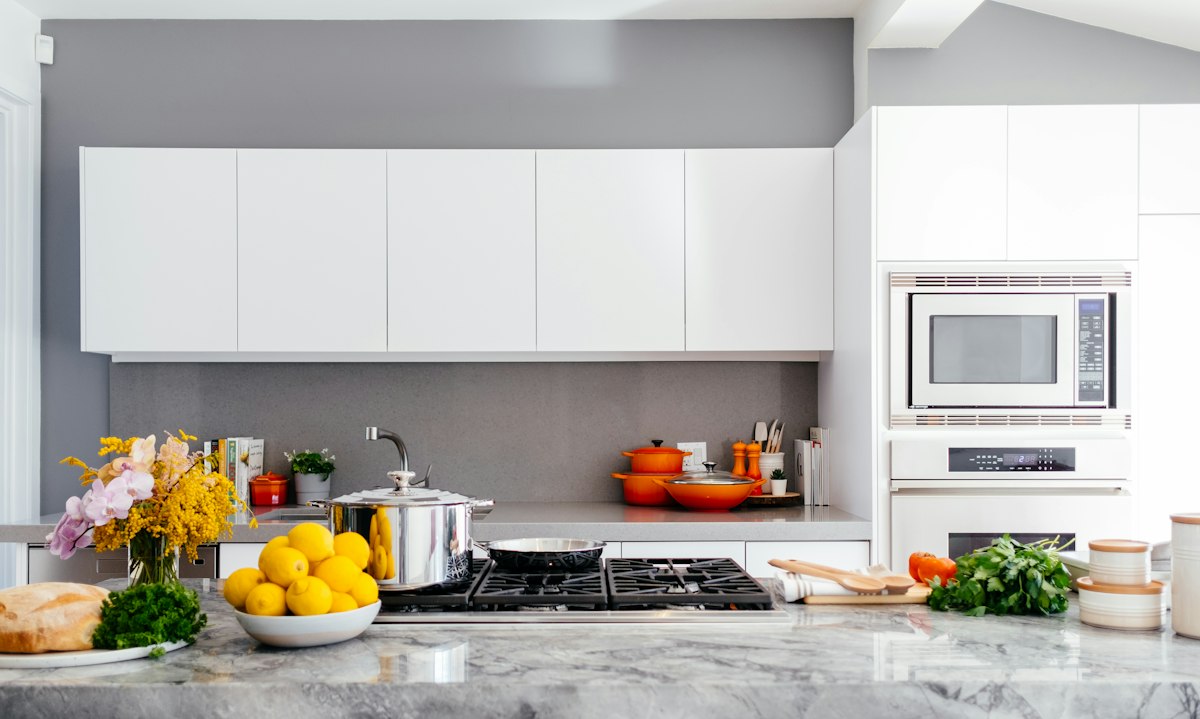 Book a Consultation
The most important moments in a family's day often happen in the kitchen. We design rooms that hold them well.
There is a particular kind of quiet that exists in a kitchen at seven o'clock on a Sunday morning. The kettle is on. The light through the window is still soft. Someone is slicing bread, and someone else is reading the paper at the table, or what used to be the paper and is now a phone. These are not the moments that feature in kitchen brochures, but they are the moments that make a kitchen worth having.
We have been building kitchens for long enough to know that the room we are designing is not really for cooking. Cooking is what happens in it, yes, but the room itself is for something larger. It is for the daily rituals that hold a household together — the morning coffee, the after-school snack, the supper that becomes a conversation that becomes the best part of the day.
When we design with these rituals in mind, different priorities emerge. A breakfast station — a dedicated area where the toaster, the coffee machine, and the kettle live together — sounds mundane, but it transforms the morning routine from a series of trips across the kitchen into a single, settled moment. We have built these into many of our kitchens, and the feedback is always the same: it is the thing the family uses most and appreciates most.
A place to sit matters as much as a place to cook. In many homes, the kitchen table or the island stools are where the real life of the house takes place — homework, bills, conversations, the quiet hour before bed. We design seating not as an afterthought but as a primary function of the room. The lighting over a seating area should be warm and low enough to read by. The surface should be at a height that is comfortable for an hour, not just ten minutes. These are small decisions, but they are the difference between a kitchen that is used for cooking and a kitchen that is used for living.
Storage, too, becomes more thoughtful when you think about rituals. A drawer that holds the tea things together — the teapot, the cups, the biscuits — is a small thing, but it makes the ritual of making tea feel intentional rather than improvised. A larder cupboard that keeps the everyday ingredients at eye level, visible and reachable, makes cooking feel less like a task and more like a pleasure. We have spent years refining the details of storage, and the most useful innovations are almost always the simplest.
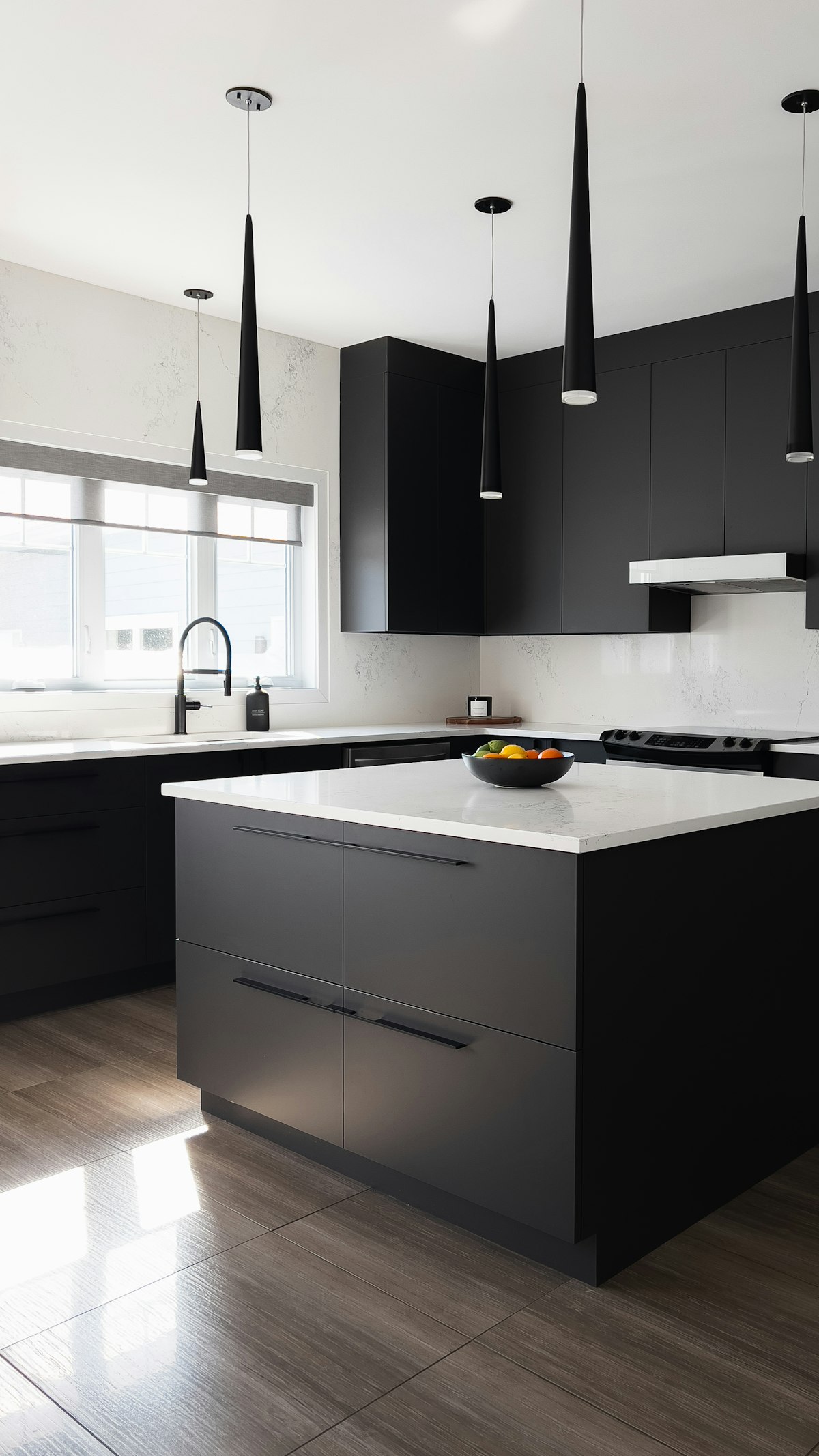
Then there is the question of the evening. A kitchen that works well at night is a kitchen that has been designed with light in mind — not just the bright, functional light of a cooking session, but the softer, lower light that makes the room feel like a place to linger. Dimmable lights, a lamp on a shelf, a pendant that casts a warm pool over the table — these are the details that turn a kitchen into a room you want to be in after the cooking is done.
We believe that the best kitchens are not the ones that look most impressive in a photograph. They are the ones that hold the ordinary, repeated, unremarkable moments of a family's life with grace. The slow mornings. The shared suppers. The cup of tea at the end of the day. These are the moments we design for, and they are the reason we do what we do.
A kitchen is not a product. It is a daily ritual, given a room of its own. We would be honoured to build yours.